Picture ErrorPicture ErrorPicture ErrorPicture ErrorPicture Error

Kresge Hearing Research Institute

Department of Otolaryngology

Aerial view of KHRI

Faculty List

Retired and Emeritus

Faculty

Picture of Dr. Le Prell

Dr. Colleen Garbe Le Prell

Research Investigator, Cochlear Signals and Tissue Engineering Lab
E-mail:
Phone: (734) 763-5104
Fax: (734) 764-0014

Accomplishments

Research

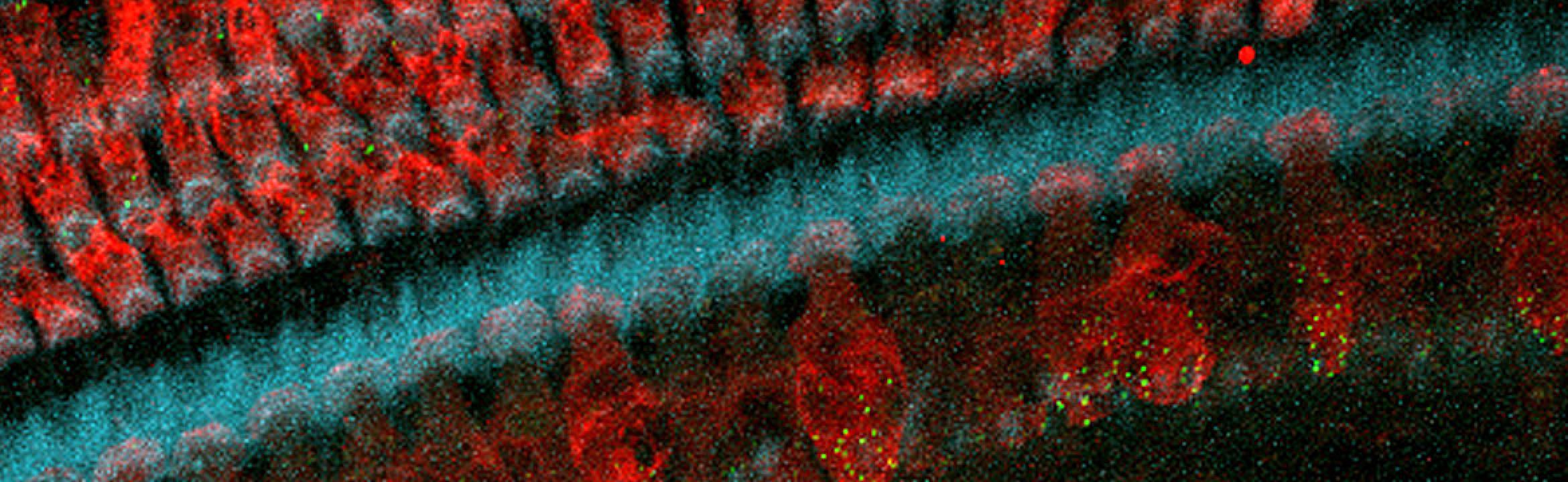
My primary research program focuses on central mechanisms that influence the sensitivity of the inner ear. Specifically, I am interested in the functional contributions of projections descending from the auditory brainstem (originating in or near the lateral superior olive) to the cochlea (where they innervate the dendrites of the auditory nerve afferents, and, to a lesser extent, the inner hair cells). Because these lateral olivocochlear (LOC) neurons innervate the ascending projections of the auditory nerve, they are likely to influence spontaneous activity of the auditory neurons, as well as the ascending auditory signal. Electrophysiological assessment of function in animals that lack this descending pathway confirmed LOC modulation of sound-driven auditory nerve activity. Current research activity focuses on identifying a specific role for the neurotransmitter substances that LOC neurons release at the auditory nerve synapse. LOC neurons release dopamine, dynorphin, enkephalin, GABA, acetylcholine, and CGRP. I am currently using electrophysiological and psychophysical measures of function to identify the effects of CGRP receptor agonists and antagonists in the guinea pig cochlea. Other projects evaluate auditory function in mice that do not produce aCGRP.

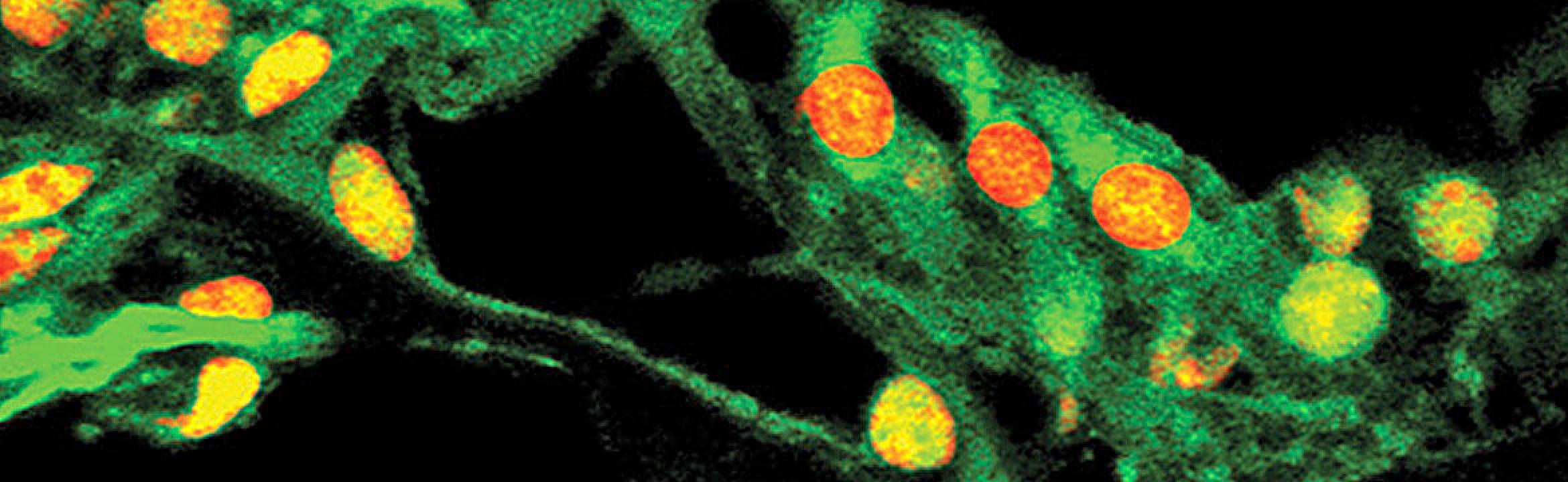
A second major research program which has the potential to yield significant clinical benefit has the following major goals: 1) precise characterization, in an animal model, of the efficacy of a micronutrient strategy for prevention of noise-induced hearing loss; 2) translation of this therapeutic intervention to man, and demonstration of efficacy in human clinical trials; and 3) identification of novel therapeutic strategies that include multiple agents that intervene at distinct points in the pathway to cell death and thus provide additive protection against noise-induced trauma. This research program has been developed largely in collaboration with the Cochlear Signals and Tissue Engineering Lab.

Grant Support

Publications

Book Chapters

Abstracts